
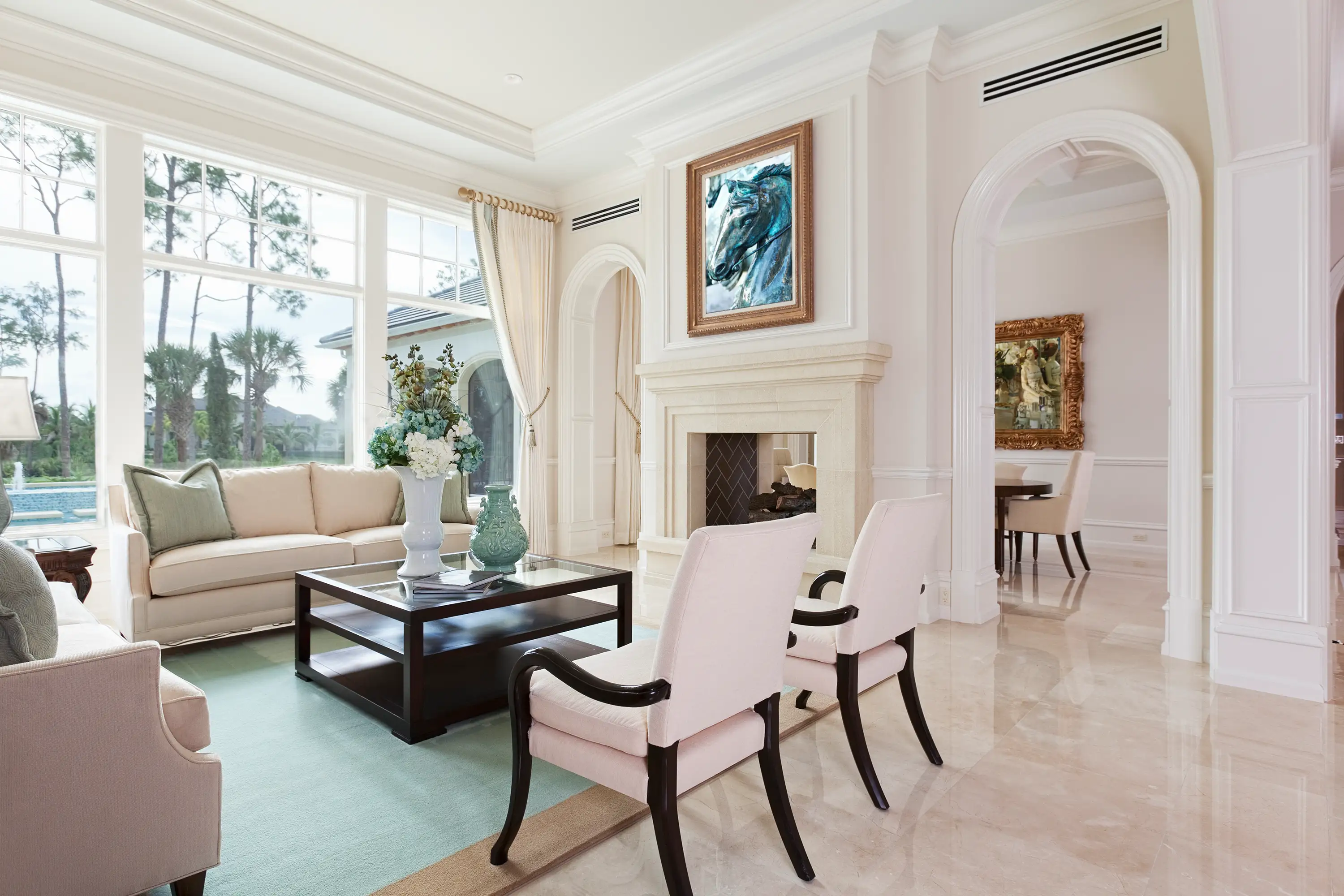
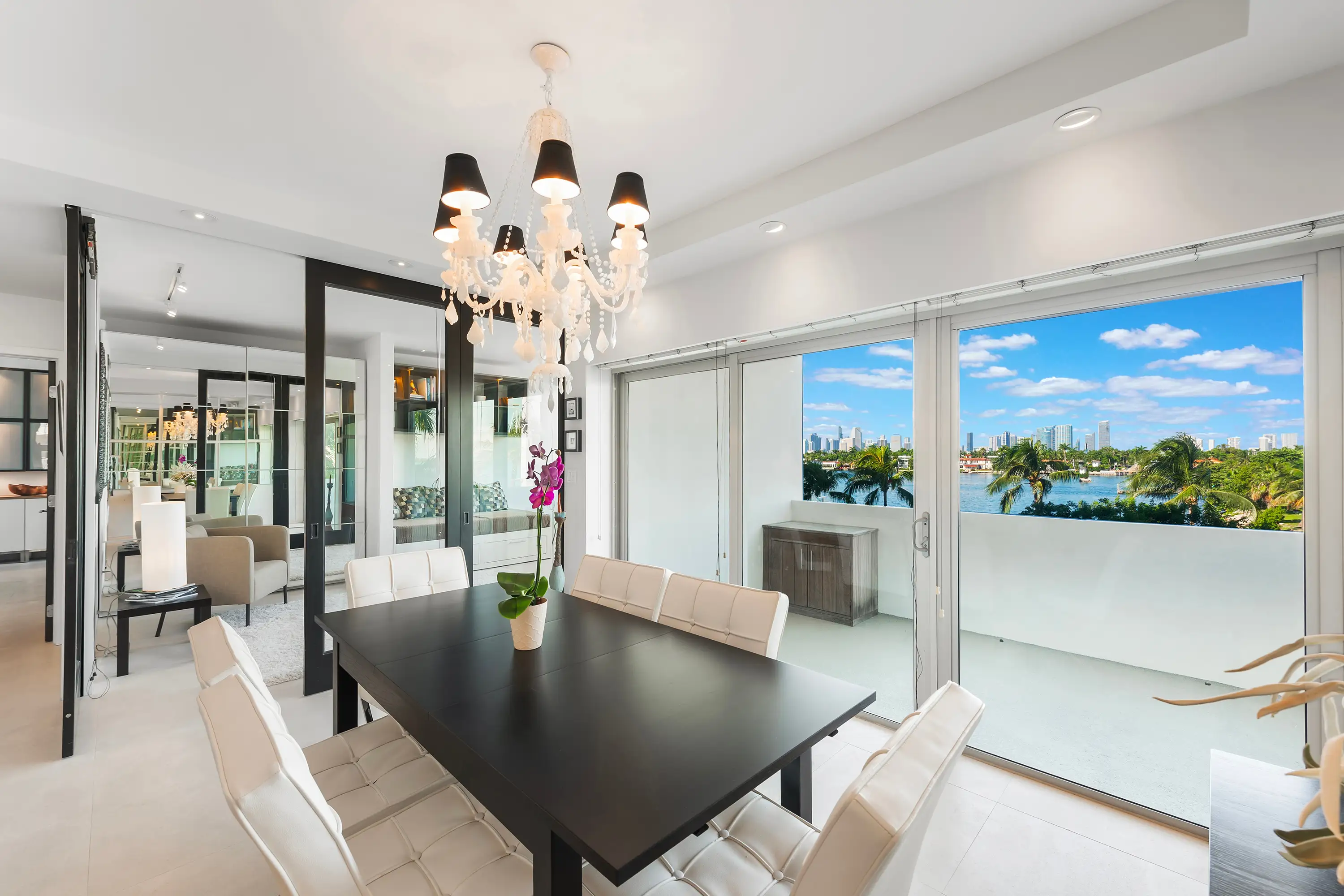
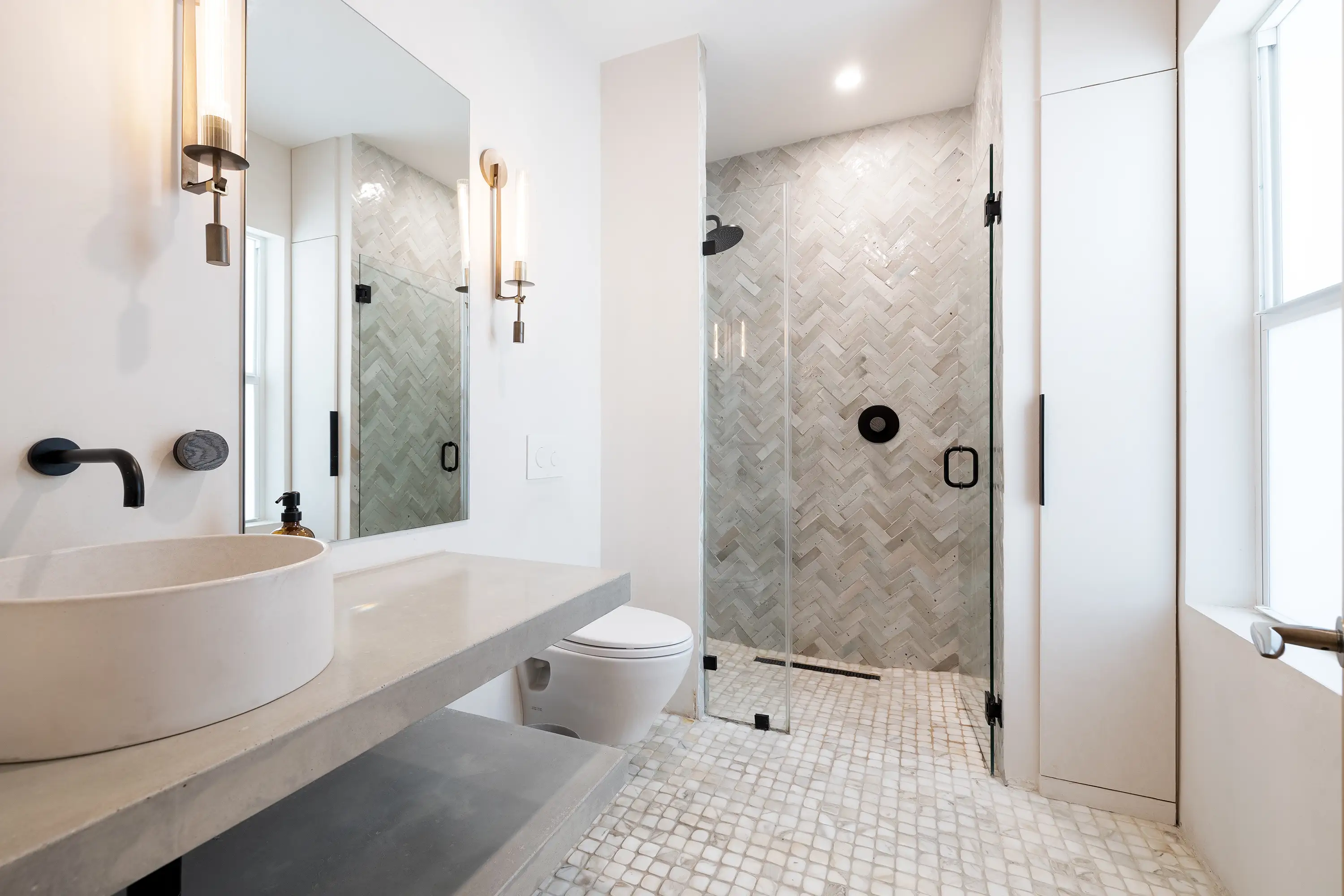
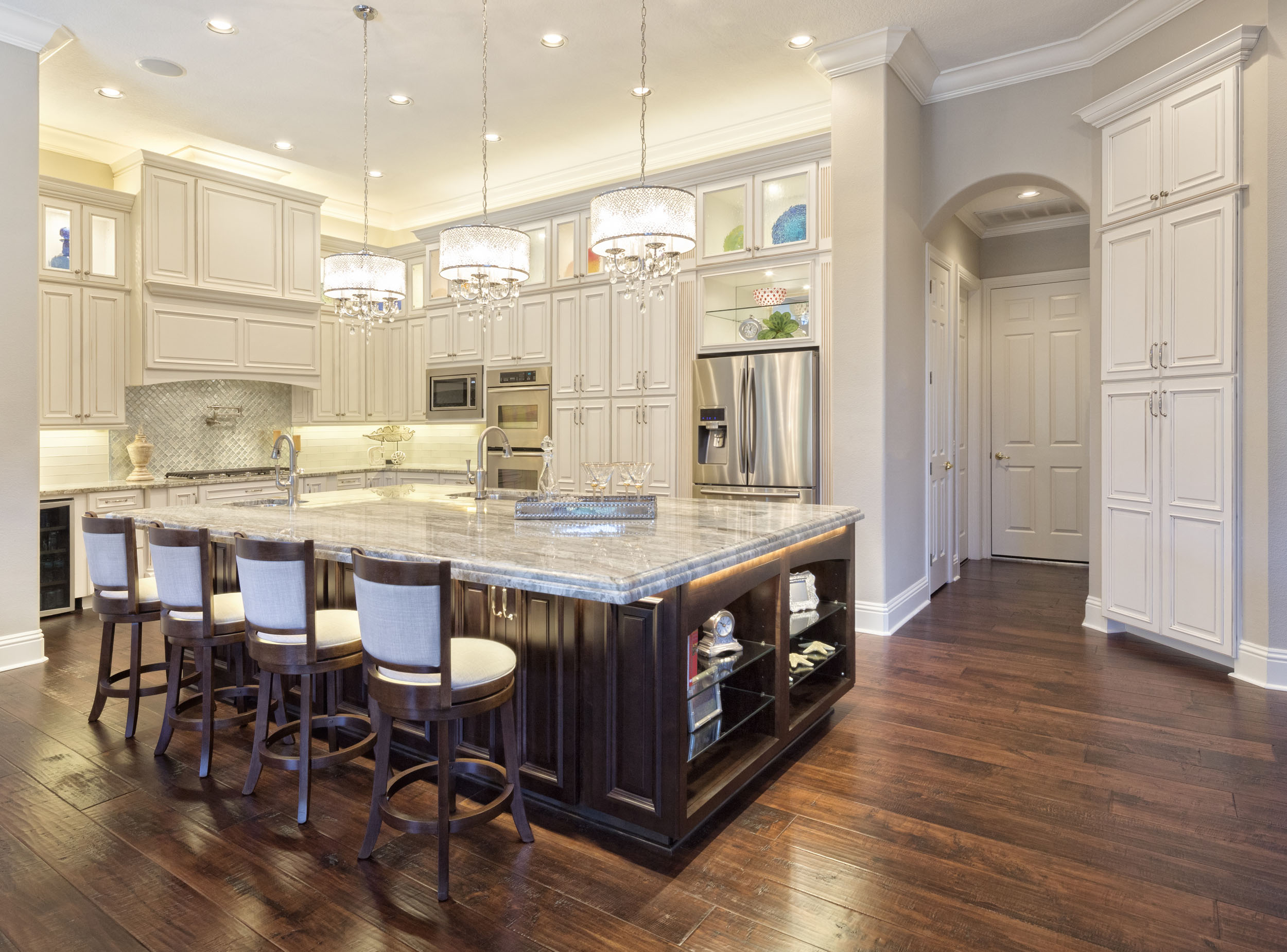
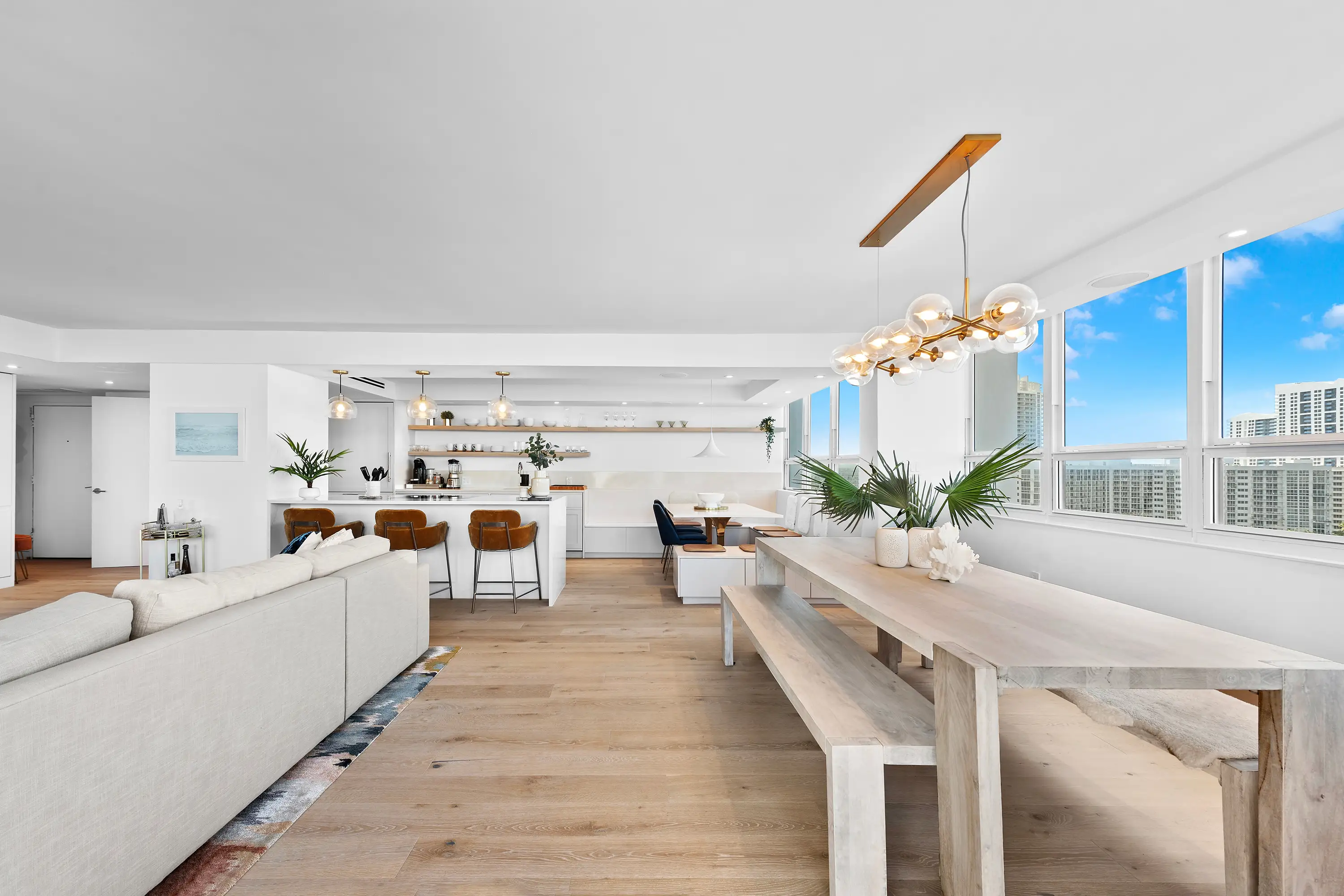
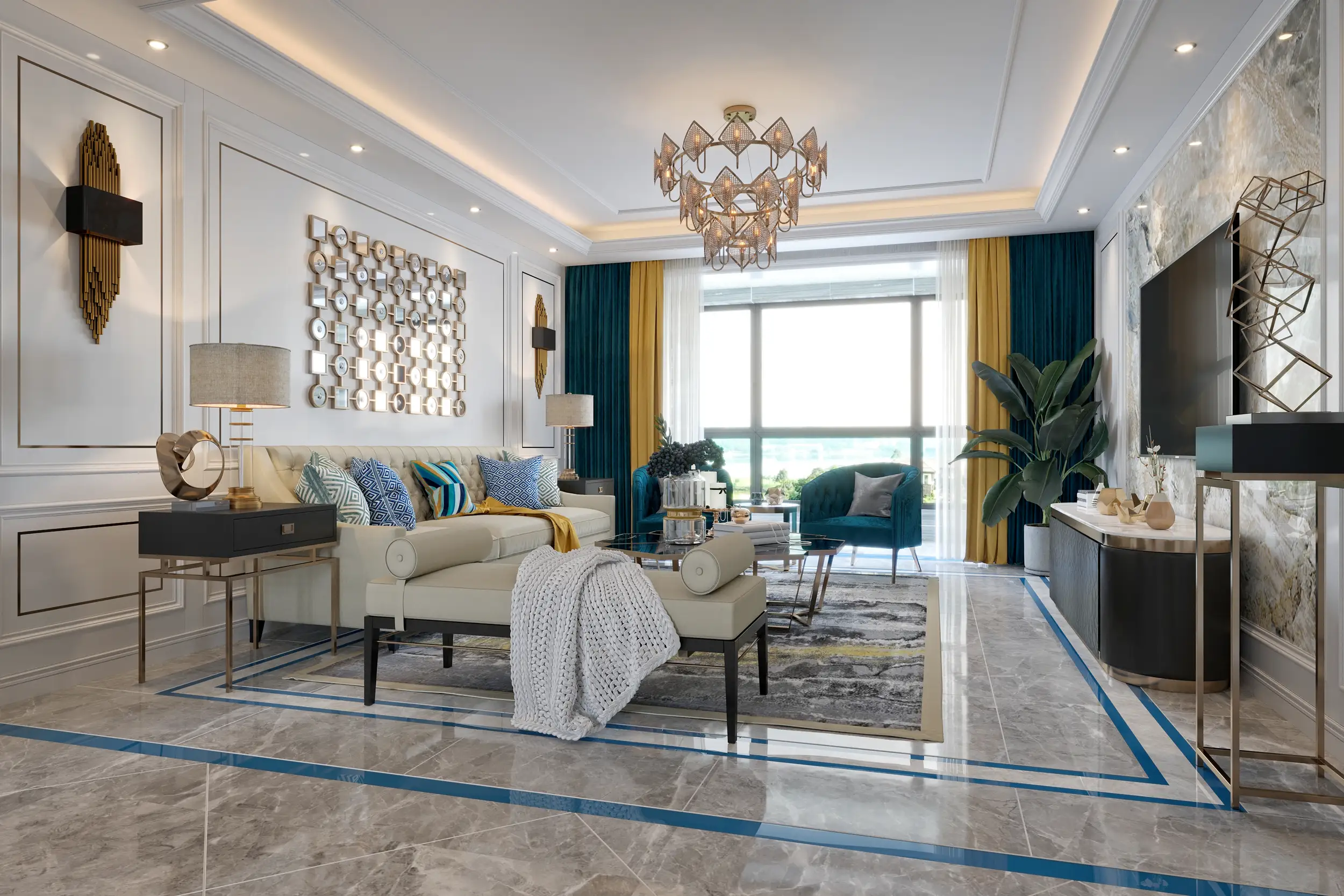
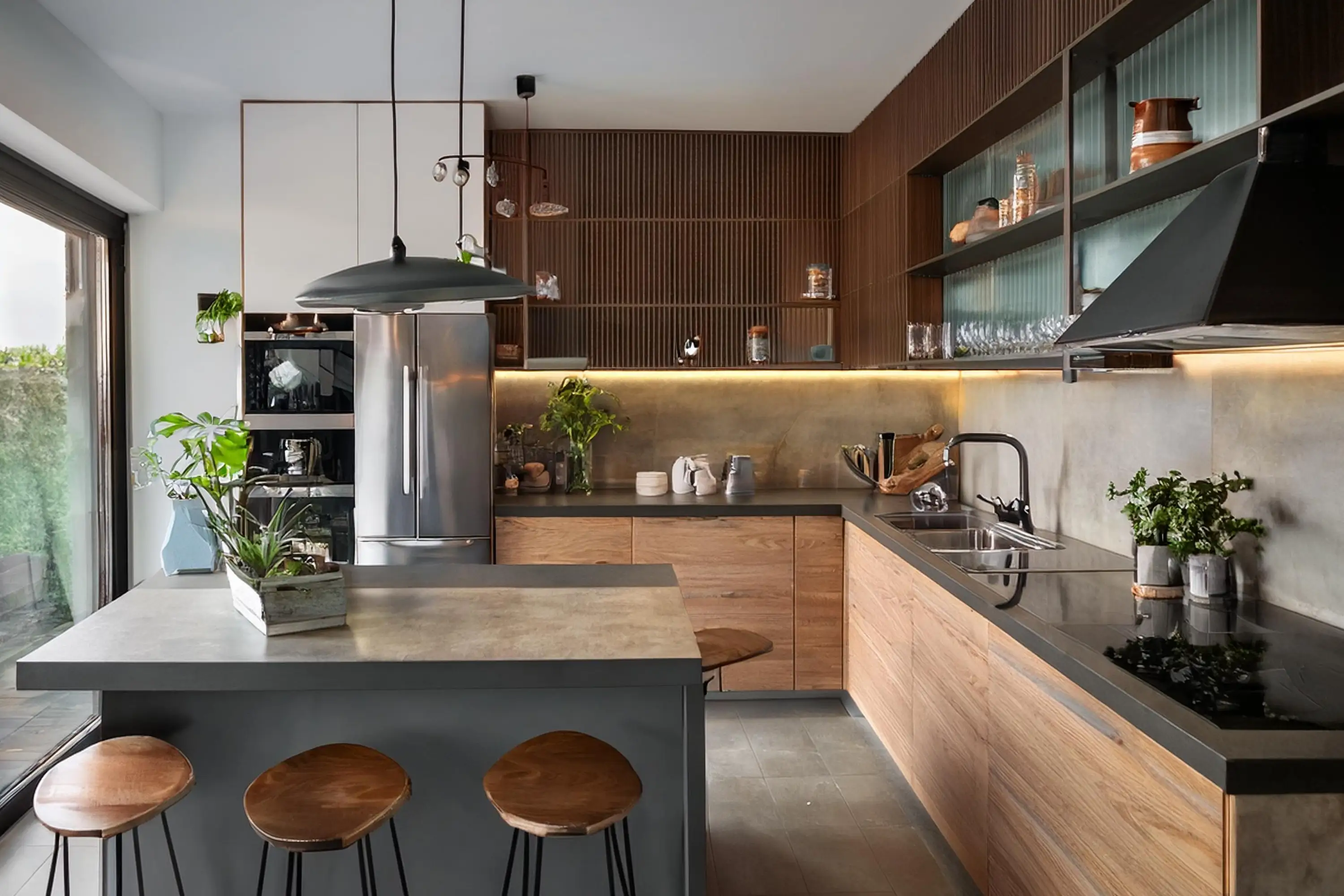
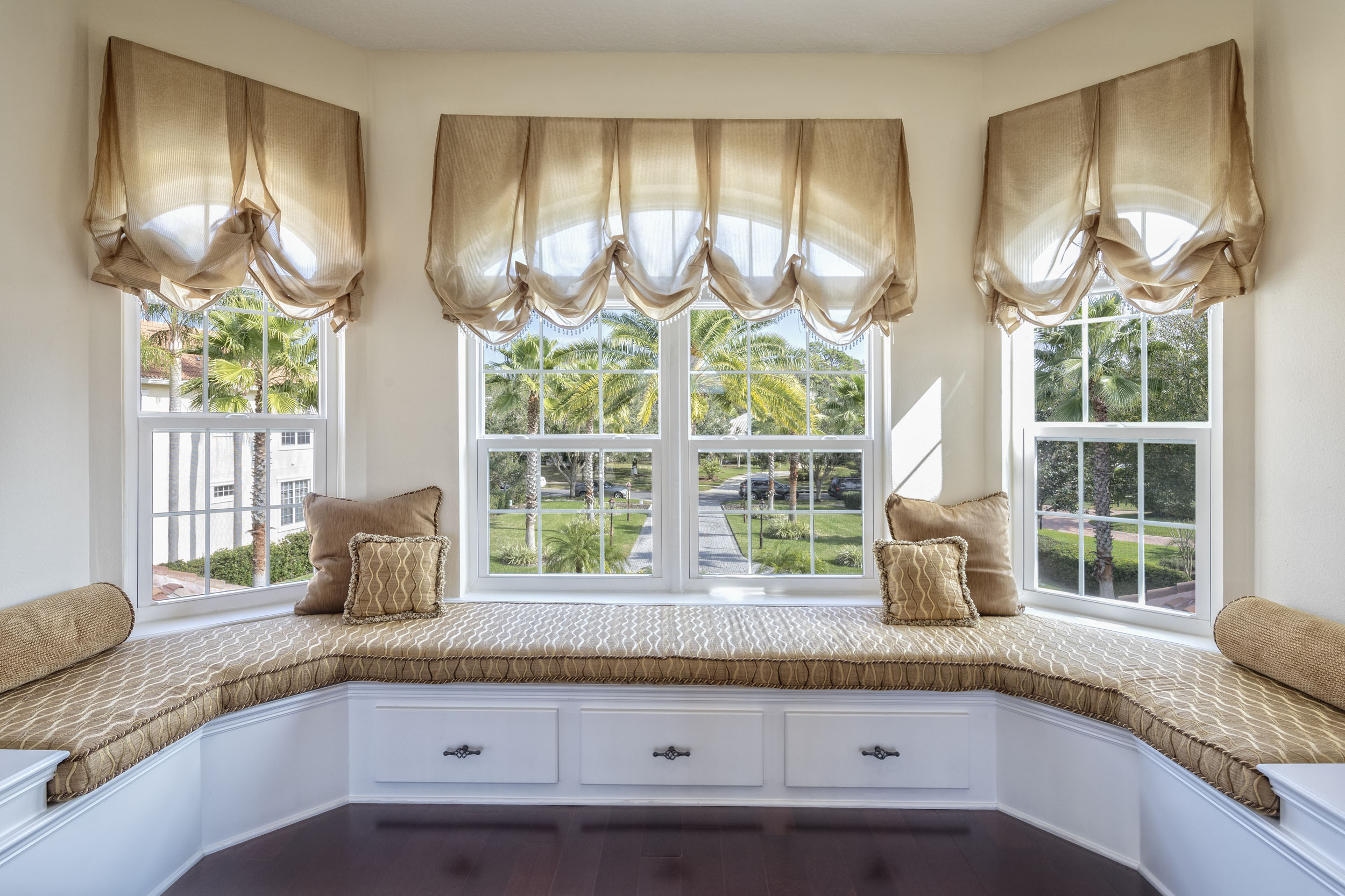
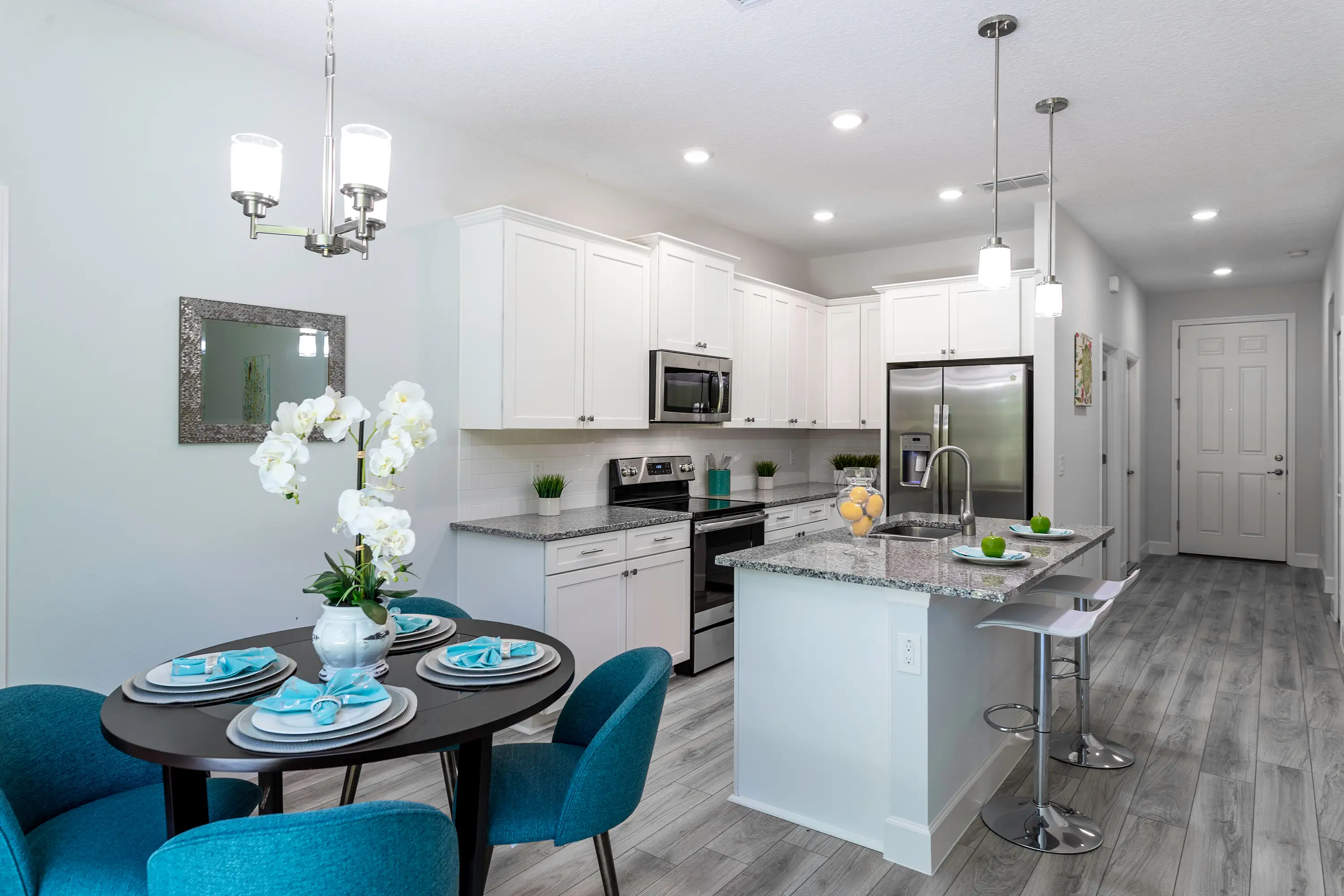
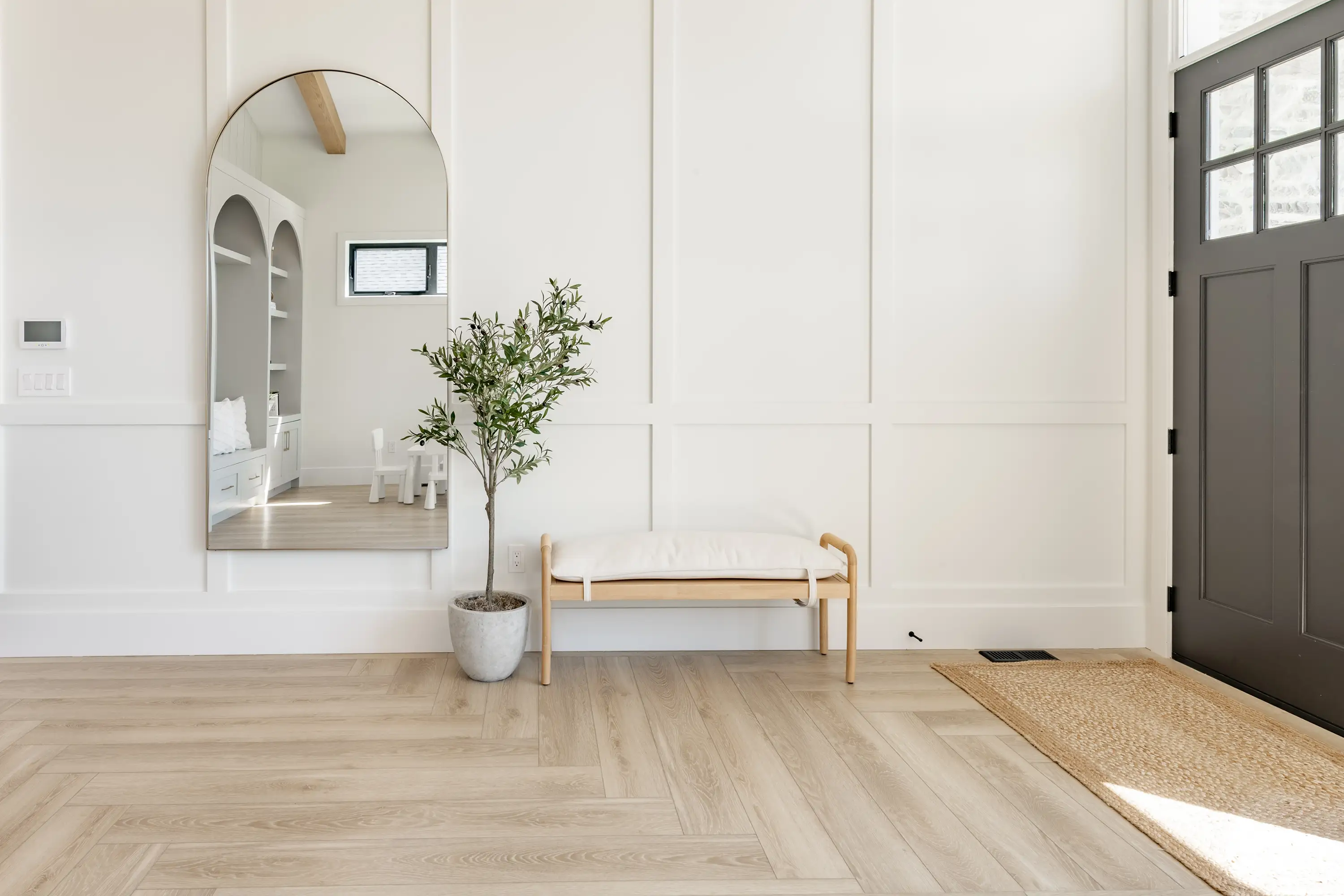
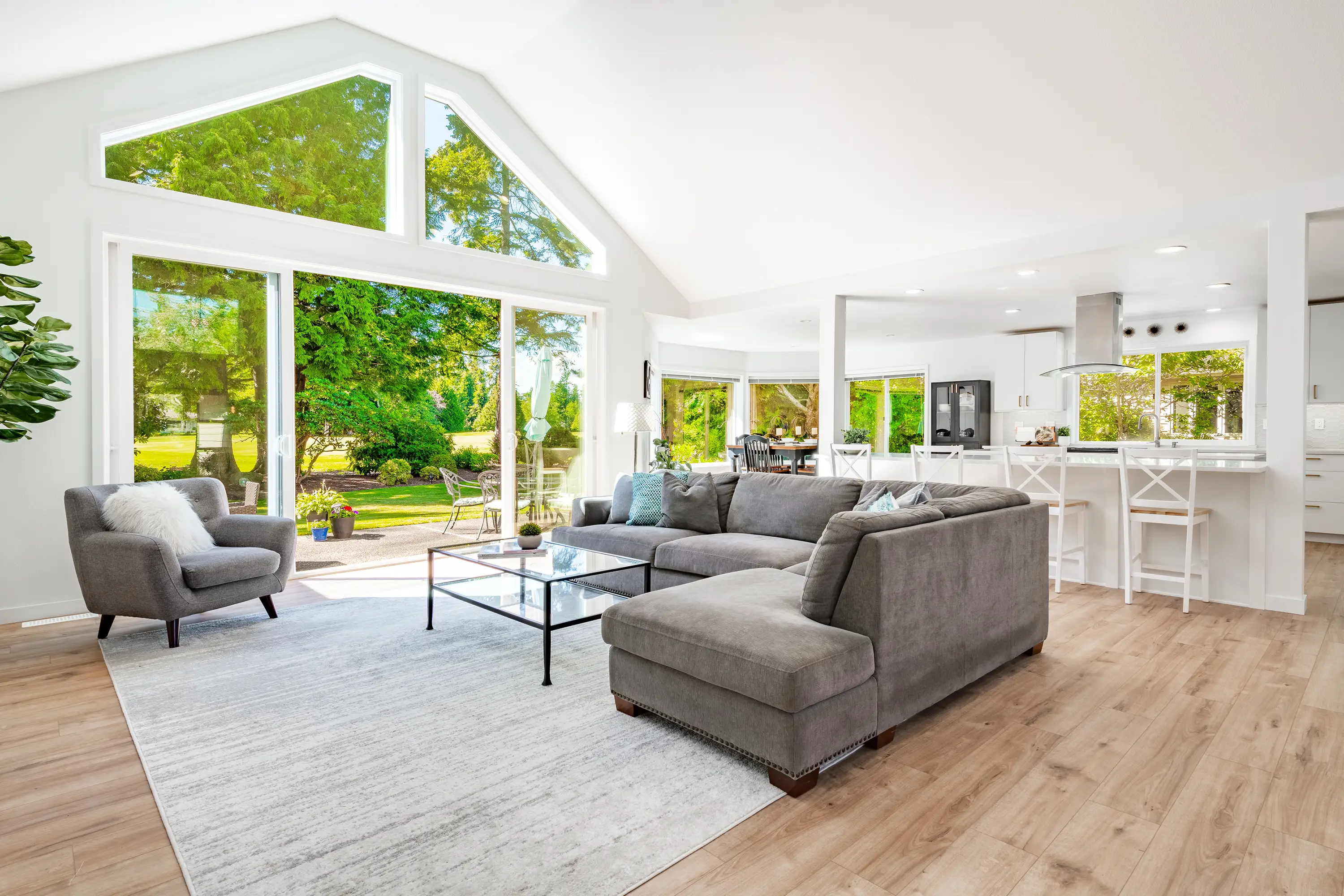
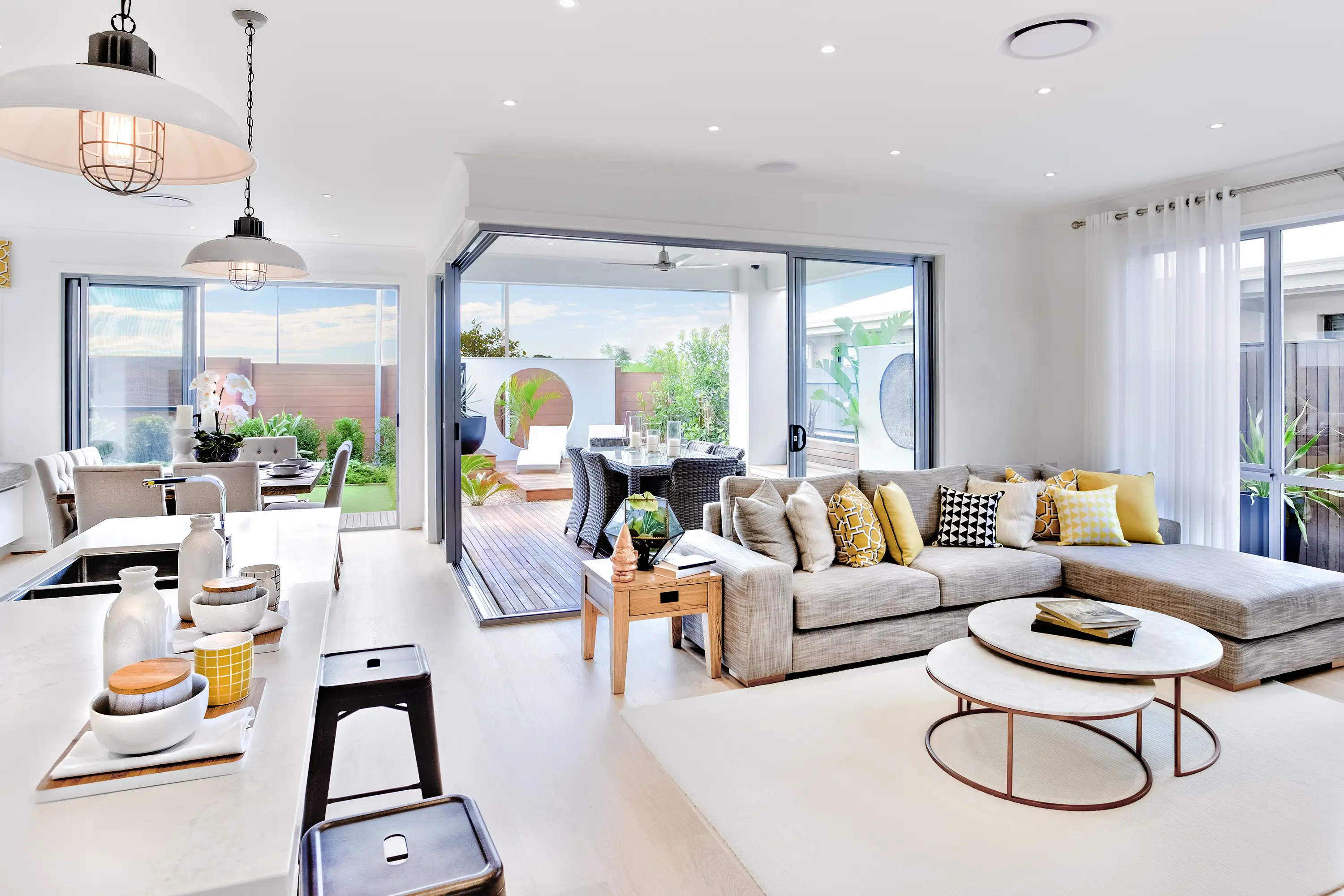
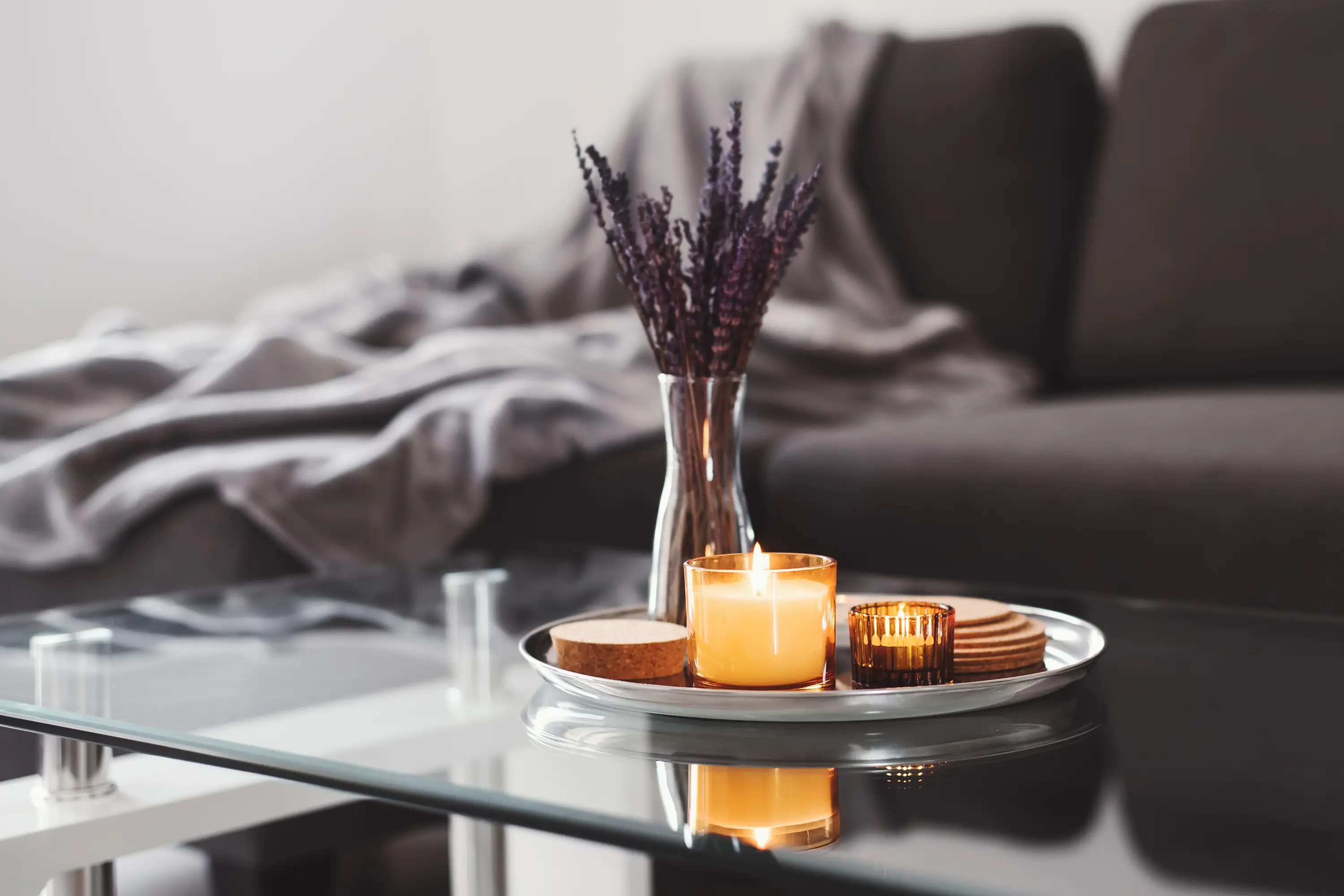
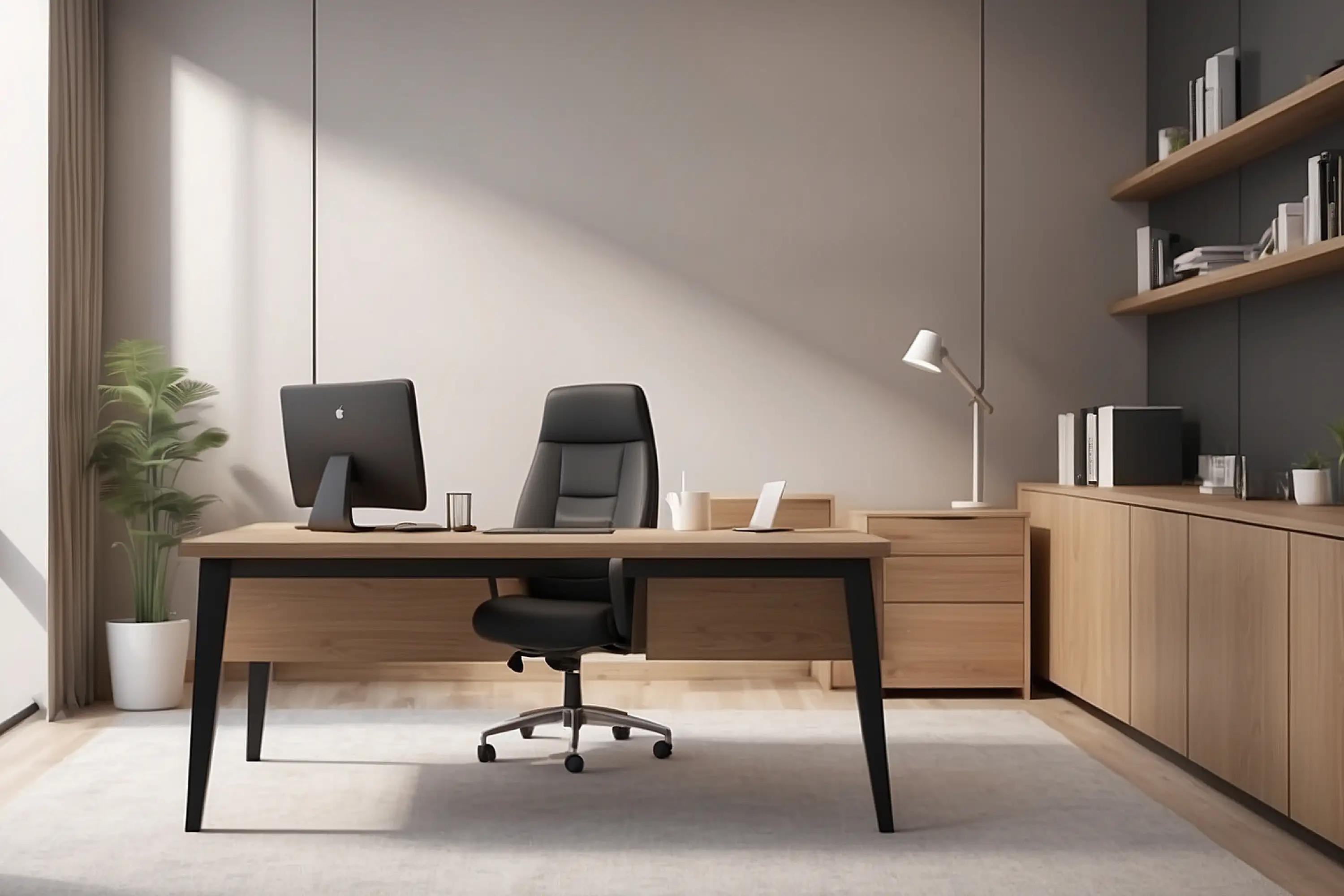
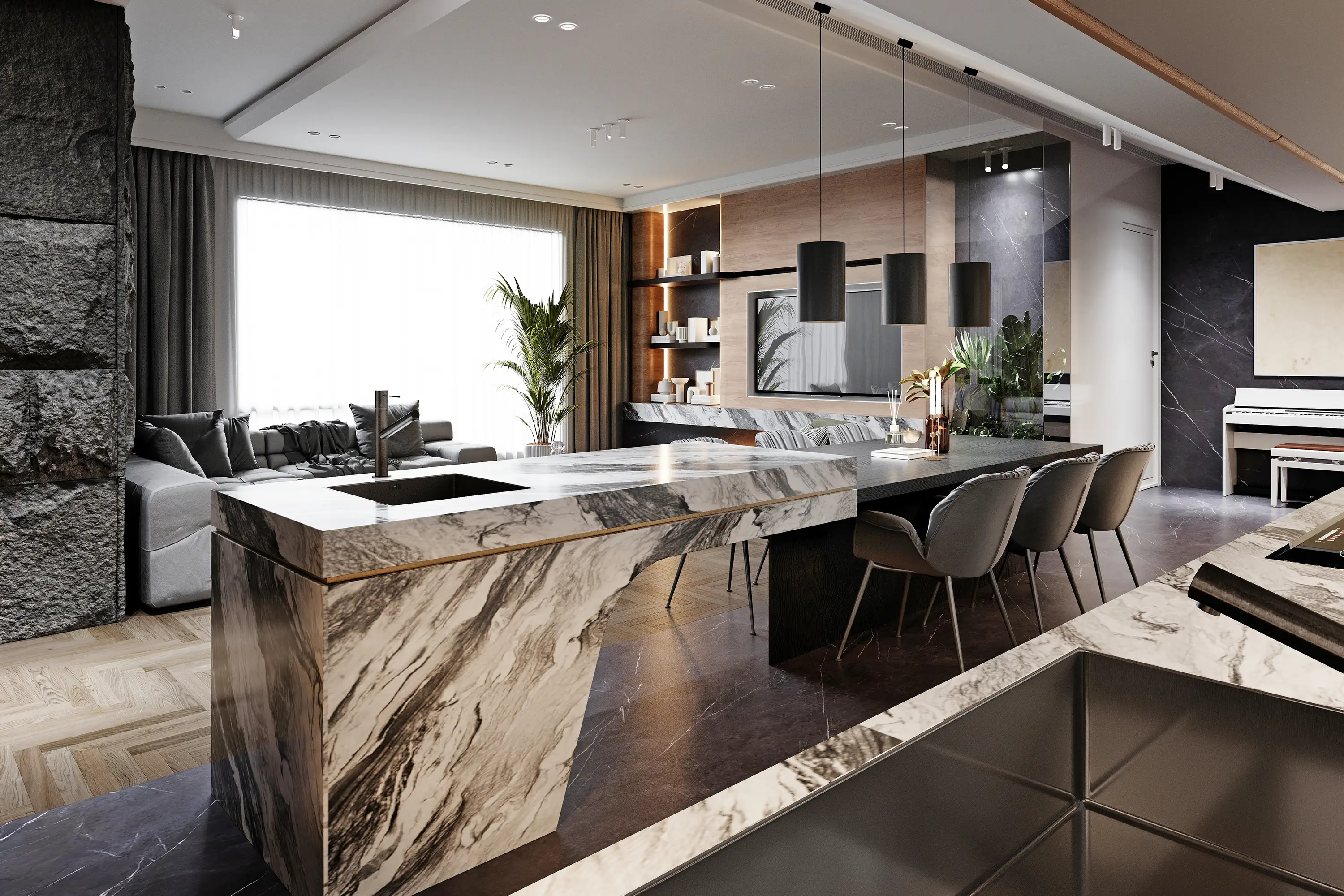
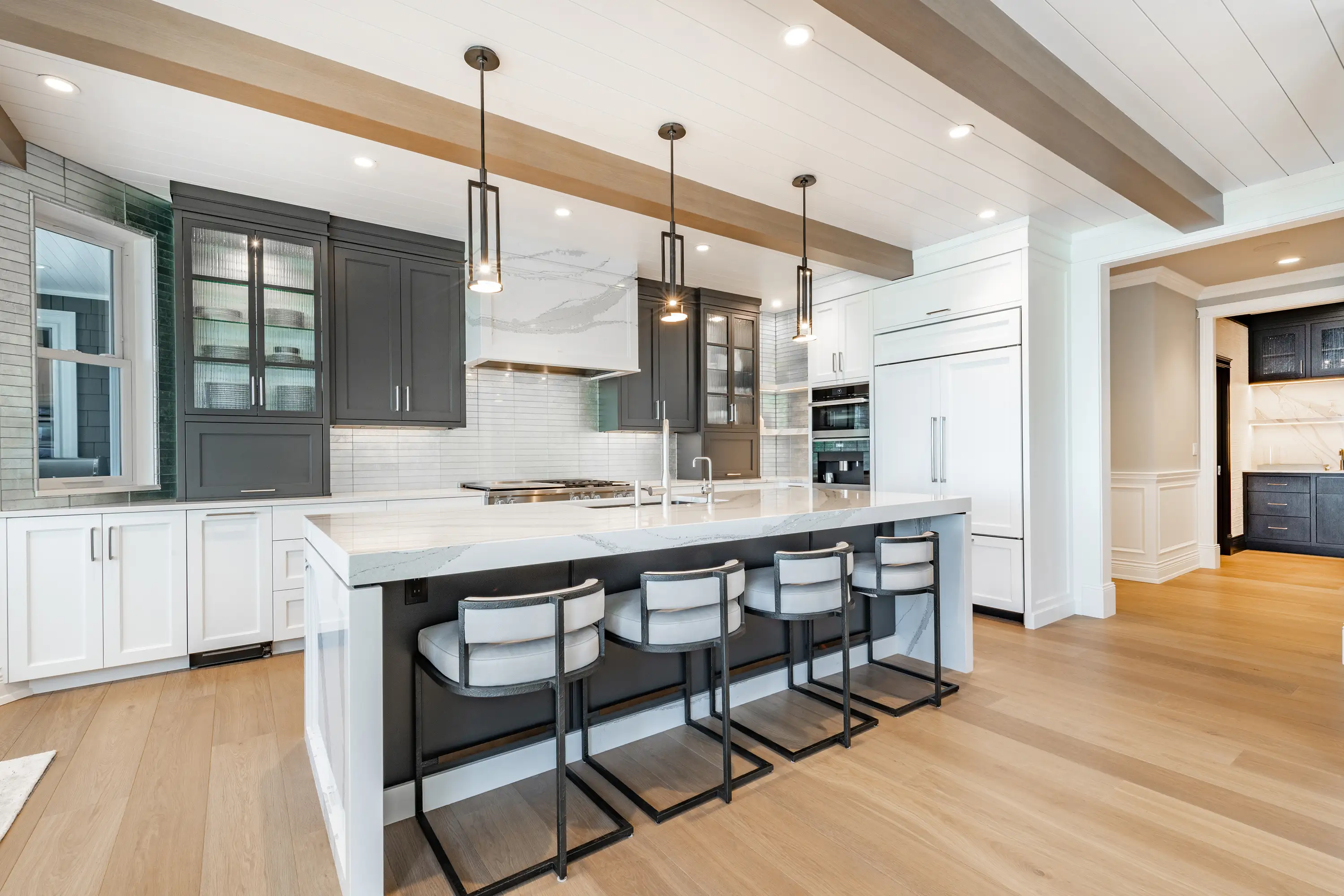
Important trends include warm neutral colors, natural materials, layered textures, sculptural lighting, organic shapes, personalized artwork, comfortable furniture, and subtle indoor-outdoor connections.
Luxury Interior Decorating in 2026: How to Combine Color, Furniture, Lighting, and Accessories
October 28, 2026Luxury interior decorating in 2026 is moving beyond simply filling a home with expensive furniture and decorative pieces. Today’s luxury interiors are designed to feel personal, comfortable, balanced, and intentional. Every element from wall color and furniture to lighting and accessories should contribute to a cohesive environment.
For homeowners in Naples, Florida, interior decorating offers an opportunity to reflect the area’s coastal lifestyle while maintaining a sophisticated and timeless aesthetic. Rather than relying on predictable beach décor, homeowners can combine natural textures, refined colors, elegant furnishings, and carefully selected accessories to create a home that feels both relaxed and luxurious.
What Defines Luxury Interior Decorating in 2026?
Luxury design is increasingly focused on quality, individuality, and livability. A beautifully decorated home should not only photograph well it should also work for the people who live there.
Important considerations include:
- A coordinated color palette
- High-quality furniture
- Layered lighting
- Natural and tactile materials
- Carefully selected accessories
- Comfortable layouts
- Personalized artwork
- Functional spaces
The key is balance. Too many colors, furniture pieces, or decorative objects can make even an expensive home feel cluttered.
1. Start With a Thoughtful Color Palette
Color provides the foundation for an interior.
Instead of selecting individual colors room by room, establish a broader palette for the home. This creates visual continuity while still allowing each space to have its own personality.
A sophisticated Naples home might use:
- Warm whites
- Creams
- Soft taupes
- Sandy neutrals
- Muted greens
- Soft blues
- Natural wood tones
You can then introduce stronger colors through artwork, accent furniture, pillows, rugs, or accessories.
Use the 60-30-10 Approach
A simple way to maintain balance is to divide the palette approximately into:
60%: dominant color, such as walls or large furnishings
30%: secondary color, such as upholstery, cabinetry, or rugs
10%: accent color, used for artwork and accessories
This isn’t a strict rule, but it can help prevent a room from becoming visually overwhelming.
2. Select Furniture Based on Scale and Proportion
Luxury furniture isn’t necessarily about choosing the largest or most expensive pieces.
Scale and proportion are more important.
A large sectional may work beautifully in an expansive Naples living room but overwhelm a smaller space. Similarly, a small coffee table can look lost in front of a large sofa.
Before purchasing furniture, consider:
- Room dimensions
- Ceiling height
- Window locations
- Traffic patterns
- Doorways
- Architectural features
- How the room will be used
Furniture should provide comfortable circulation while creating natural conversation areas.
3. Mix Furniture Styles Carefully
A luxury interior does not need every furniture piece to come from the same collection.
In fact, combining complementary styles can create a more personalized result.
For example, a room might combine:
- Contemporary seating
- A traditional wood table
- Modern lighting
- Vintage-inspired accessories
- Contemporary artwork
The secret is to find a connection between the pieces through color, material, shape, or scale.
This prevents the room from looking like a showroom.
4. Make Lighting Part of the Design
Lighting can dramatically change how colors, furniture, textures, and architectural details appear.
A luxury decorating plan should generally incorporate three layers:
Ambient Lighting
Provides overall illumination.
Task Lighting
Supports specific activities such as reading, cooking, or working.
Accent Lighting
Highlights artwork, architectural features, decorative objects, or furniture.
For a Naples home, decorative pendants, chandeliers, sconces, table lamps, and integrated lighting can create a sophisticated atmosphere while adding visual interest.
Dimmers are also valuable because they allow the same room to transition from bright daytime use to a more intimate evening setting.
5. Use Lighting Fixtures as Decorative Elements
Lighting isn’t only functional.
A sculptural chandelier or carefully selected pendant can become an important focal point.
When selecting decorative lighting, consider:
- Room size
- Ceiling height
- Furniture scale
- Metal finishes
- Shape
- Color
- Overall design style
For example, a large dining room may benefit from a statement chandelier, while a bedroom may feel more comfortable with softer bedside lighting and decorative sconces.
6. Layer Textures to Create Depth
One-color rooms can still feel luxurious when they contain plenty of texture.
Consider combining:
- Linen
- Velvet
- Natural wood
- Stone
- Glass
- Woven materials
- Metal
- Wool
- Bouclé
Texture becomes especially important when using neutral colors.
For example, a cream-colored room can feel sophisticated when linen curtains, a textured rug, wood furniture, stone surfaces, and upholstered seating are layered together.
This creates visual interest without requiring strong colors.
7. Choose Accessories With Intention
Accessories are the finishing layer of interior decorating.
However, luxury design generally benefits from fewer, more meaningful pieces rather than excessive decoration.
Consider:
- Original artwork
- Sculptural objects
- Decorative mirrors
- Ceramic pieces
- Books
- Plants
- Elegant trays
- Accent pillows
- Carefully selected collectibles
Instead of placing accessories everywhere, create focal points and leave some areas intentionally open.
Negative space can make important decorative pieces more noticeable.
8. Use Artwork to Add Personality
Artwork is one of the best ways to make a home feel unique.
Rather than choosing art simply because it matches the sofa, consider pieces that reflect your personality or interests.
Artwork can also introduce a controlled accent color into a neutral room.
In Naples, homeowners may be inspired by coastal landscapes, abstract artwork, botanical themes, contemporary pieces, or local artists. The goal is not necessarily to make the home look “beachy” but to create a sophisticated connection to its surroundings.
9. Coordinate Metal Finishes
Hardware, lighting, plumbing fixtures, and decorative accessories can all introduce metal finishes.
Common options include:
- Brass
- Bronze
- Nickel
- Chrome
- Black
- Mixed metals
You don’t necessarily need to use one finish throughout the entire home. However, there should be a deliberate relationship between finishes.
For example, warm brass lighting can work well with brass cabinet hardware, while darker metal accents can provide contrast.
10. Bring Natural Elements Into the Interior
Natural materials are particularly effective in Naples homes.
Wood, stone, woven fibers, plants, and natural fabrics can create a connection with the surrounding Florida environment.
These elements can also make luxury interiors feel more relaxed.
Instead of using obvious nautical accessories, consider allowing the coastal influence to appear through:
- Natural textures
- Soft colors
- Organic shapes
- Indoor plants
- Natural stone
- Light-filled rooms
This produces a more timeless interpretation of coastal luxury.
11. Don’t Forget Functionality
Luxury decorating should improve how the home works.
Before selecting decorative pieces, consider how each room is actually used.
A living room may need comfortable seating for entertaining. A home office may require task lighting and organized storage. A bedroom should prioritize relaxation. A dining area needs enough space for comfortable movement around the table.
Curtis Allen Designs approaches interior design around the homeowner’s lifestyle and needs, offering services that include interior decorating and accessorizing, kitchen and bath design, remodeling, flooring, and project management.
12. Create Connections Between Rooms
A luxury home feels more sophisticated when the rooms relate to one another.
You can create continuity by repeating:
- Flooring materials
- Wood tones
- Metal finishes
- Accent colors
- Lighting styles
- Textures
- Architectural details
The rooms don’t need to match.
Instead, they should feel like different chapters of the same design story.
This is particularly important in open-concept Naples homes where multiple spaces are visible at the same time.
13. Prioritize Quality Over Quantity
One of the most important principles of luxury interior decorating is choosing quality pieces that will remain useful and attractive for years.
Instead of purchasing numerous inexpensive accessories, homeowners may benefit from investing in:
- High-quality seating
- Custom window treatments
- Statement lighting
- Durable rugs
- Custom cabinetry
- Original artwork
- Quality decorative objects
A smaller collection of carefully selected pieces can often create a stronger impression than a room filled with accessories.
Interior Decorating for Naples Homes
A professional interior designer can help coordinate all these elements while considering the home’s architecture, proportions, lifestyle, and location.
Curtis Allen Designs has more than 40 years of experience serving homeowners throughout Southwest Florida. Its services include interior design, decorating and accessorizing, complete and partial home remodeling, kitchen and bath design, custom cabinetry, flooring, and project management.
For homeowners in Naples, this combination of design and remodeling expertise can be particularly useful when decorating is part of a larger renovation.
Final Thoughts
Luxury interior decorating in 2026 is about creating a home that feels intentional, comfortable, personal, and timeless.
Start with a coordinated color palette, select furniture based on scale and lifestyle, layer different types of lighting, introduce texture, and use accessories thoughtfully. Natural materials and subtle coastal influences can help a Naples home reflect its Florida surroundings without becoming overly themed.
Most importantly, luxury should support the way you live. The most successful interiors combine beautiful design with practical functionality, creating spaces that are enjoyable every day—not simply impressive to look at.
Frequently Asked Questions
What are the biggest luxury interior decorating trends in 2026?
How can I make my Naples home feel luxurious without making it look overly formal?
Focus on quality materials, comfortable furniture, layered lighting, natural textures, and carefully selected accessories. Combining sophisticated finishes with relaxed fabrics and organic materials can create an elegant but comfortable atmosphere.
Should all rooms in a home use the same color scheme?
They don’t need to use identical colors. Instead, select complementary colors and repeat certain materials, finishes, and accent tones throughout the home to create visual continuity.
How important is lighting in luxury interior decorating?
Lighting is extremely important. Combining ambient, task, and accent lighting can improve functionality while highlighting furniture, artwork, architectural details, and decorative elements.
Does Curtis Allen Designs provide interior decorating services in Naples?
Yes. Curtis Allen Designs provides interior design, decorating and accessorizing, remodeling, kitchen and bath design, custom cabinetry, flooring, and project management services for homeowners throughout Southwest Florida, including Naples.